Rice: varieties and cooking methods
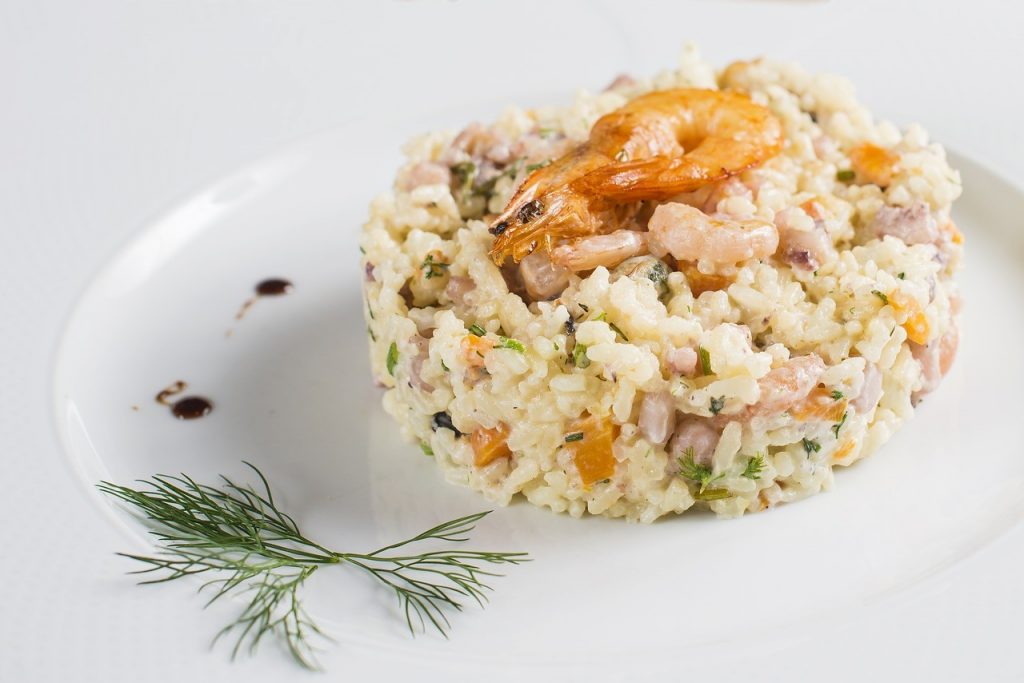
There are about 140 types of rice, which differ according to their shape:
- round grains, suitable for soups and desserts
- medium grains, for timbales and sartù
- long grains, type A with a squat shape and B with a tapered shape, suitable for risottos and side dishes
Each dish has its ideal grain and cooking can be different, depending on the type of recipe. Let’s see the origins and characteristics of rice, the various types of rice, and cooking methods:
- The characteristics of rice
- Carnaroli rice
- Vialone Nano rice
- Padano rice
- Arborio rice
- Roma rice
- Baldo rice
- Original Rice
- Ribe rice
- Thaibonnet rice
- Balilla rice
- Jasmine rice
- Black rice
- Artemide rice
- Red rice
- Brown and parboiled rice
- Methods of cooking rice
The characteristics of rice
Rice is considered an excellent food, as well as one of the fundamental cereals for the diet. Native to the Middle East, it is of different qualities and compositions, which vary according to the type of cultivation and the location of the plantations.
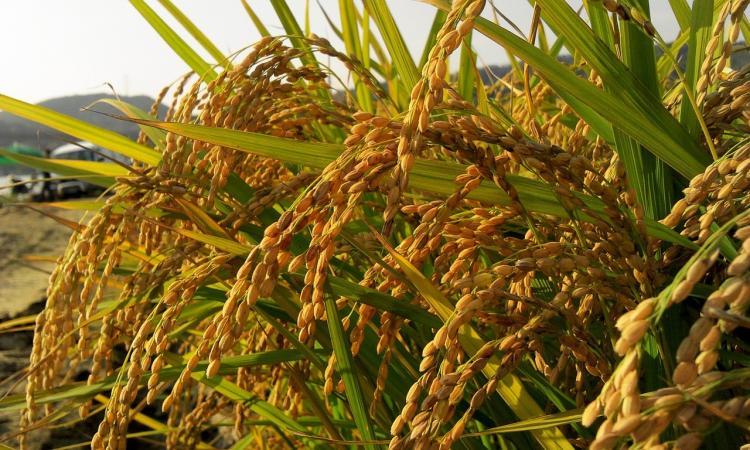
Very digestible and with excellent intestinal absorption, it is composed for the most of carbohydrates, but also contains proteins. As for rice calories, it provides about 300 calories per 100 grams. By eliminating the chaff, that is the floury residue resulting from the bleaching process, the rice also loses various nutritional principles in terms of mineral salts and vitamins. For this reason, refined white rice has a lower food value than brown rice.
A peculiarity of rice concerns its weight gain during cooking, due to the absorption of water. In fact, from 100 grams of uncooked rice, about 320 grams of cooked can be obtained.
Carnaroli rice
Carnaroli is a variety of long rice, which loses little starch in cooking. It is considered the prince of the types of Italian rice and is also among the “historical” crops. It is mainly used for side dishes and salads.
Carnaroli rice: properties, characteristics, and benefits
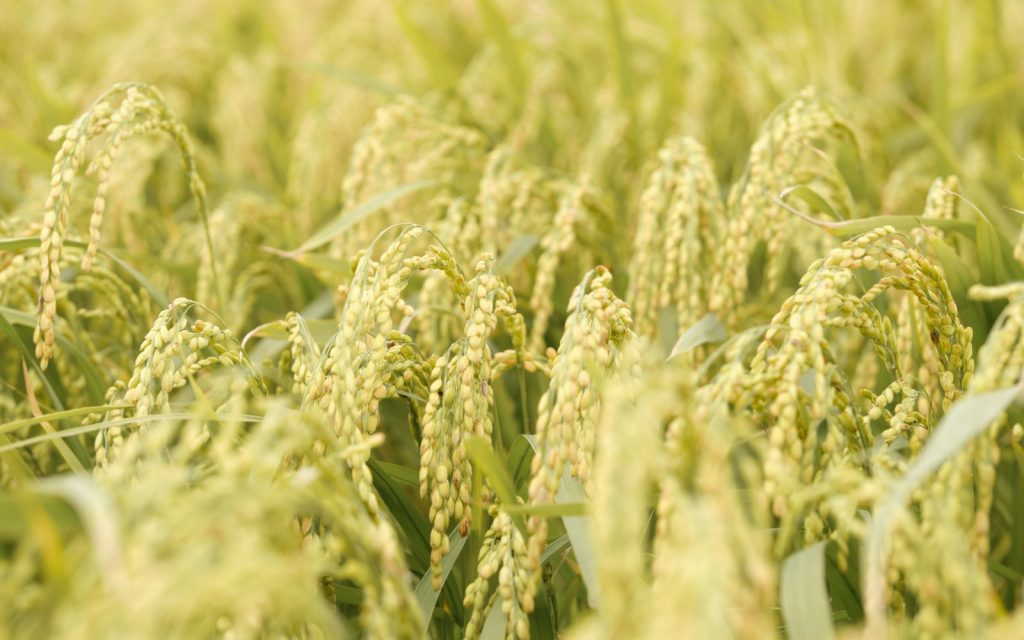
Carnaroli rice, also known as the prince of rice, is one of the most famous and used varieties of rice. It has a firm and tasty grain, which manages to release the right amount of starch and make it particularly suitable for risottos. Its typical feature is its cooking resistance, which guarantees good yields even to those who are not exactly a cooking experts.
History of Carnaroli rice
Carnaroli rice was born in 1945 on the land of Cascina Casello in Paulo, in the province of Milan, from the crossing with the Vialone and Lencino rice varieties. Following years of research and studies, the agronomist Ettore De Vecchi and his faithful collaborator manage to select the grain that will become typical of the Carnaroli variety. Today this type of rice is mainly produced in Piedmont in the Vercelli and Biella area.
Characteristics of Carnaroli rice
Carnaroli rice belongs to the japonica variety and can be both white and wholemeal. Due to the larger size and elongated shape of the grain, it is classified as superfine rice. It has a pearly color and great resistance, which helps to keep it firm even with prolonged cooking (it does not overcook). This is the most recognized characteristic, for which it has become the most used variety in the kitchen.
Carnaroli rice is perfect when used for risotto because it contains a good amount of starch, which helps to obtain a great creaminess. The grain, of excellent consistency, tends to remain separate and well shelled even after cooking.
Benefits of this variety
Carnaroli is a very digestible and easily assimilated rice. It helps regulate the bacterial flora and promotes normal intestinal transit. This variety of rice contains essential fatty acids, which are essential especially for muscle cells, and is an important source of potassium, which can help reduce blood pressure.
Due to its high digestibility, Carnaroli does not tire the stomach and is, therefore, the ideal food for those who suffer from stomach or for those who fear sleepiness after a meal. It has a low sodium content and a high concentration of B vitamins and simple carbohydrates, which are immediately metabolized by the body without storing fat. Furthermore, this type of rice is gluten-free and therefore also suitable for celiac.
Nutritional values and calories of Carnaroli
Here is a table with the average nutritional values for 100 grams of Carnaroli rice.
| Energy value | 354 Kcal / 1504 KJ |
| Proteins | 6.7 g |
| Carbohydrates | 80.4 g |
| of which sugars | 0.2 g |
| Fat | 0.4 g |
| of which saturated | 0.1 g |
| Dietary fibers | 1.0 g |
| salt | 0.01 g |
Carnaroli: glycemic index
Among the important characteristics of this rice, there is a low impact on blood sugar. Carnaroli has a glycemic index of 70 and thus ranks among the Italian rice with the lowest GI, whether it is white or wholemeal quality. For those who follow a low glycemic index diet or for those who are diabetic, it may be useful to further lower the glycemic index by deamidating the rice by soaking it in cold water
For which dishes Carnaroli is suitable
When it comes to Carnaroli, the first thought goes to risotto. The high percentage of amylose and the low stickiness make it, in fact, a perfect variety for many dishes. Its slightly sweet flavor is a versatile base for enhancing the taste of many ingredients. Perfect for combinations with more decisive ingredients, such as porcini mushrooms, Taleggio, or asparagus, with more delicate flavors, such as pumpkin or radicchio creams up to Parmigiano Reggiano.
Carnaroli always returns creamy risottos, well-whipped and with separate grains. Thanks to its high capacity to absorb seasonings, it is also suitable for fish recipes and is widely used in the preparation of flans, croquettes , arancini , and rice salads. Instead, it is not recommended to use Carnaroli rice for the preparation of desserts, due to its low stickiness.
Advice on cooking times
The best way to know if the rice is ready is to always taste it. However, remember that undercooked rice weighs down digestion and overcooked rice loses some of its nutritional value. Carnaroli rice is cooked both as risotto, ie with total absorption of the water in which it cooks, and boiled. The cooking times are indicatively the following:
Cooking time for the risotto: about 18 minutes
Cooking time for boiled rice: about 16 minutes
The whole Carnaroli version contains a part of bran and therefore requires more cooking time (even reaching 30-40 minutes) and releases less starch.
Vialone Nano rice
With a semi-long and pearly grain, the vialone nano is a fine variety grown in the Mantuan and Veneto regions, where it obtained the IGP.(Protected Geographical Indication). It cooks in 16-18 minutes and is particularly suitable for preparing risottos.
Padano rice
From medium-sized grains, the Padano cooks in about 13-15 minutes. This is also a historical variety of Italian rice growing: its characteristics make it perfect for preparing soups, and various baked preparations.
Arborio rice
This type of rice takes its name from the locality in the Vercelli area where it was selected in 1946: it has a long type A shape. Arborio is typical of the Italian market and is used for creamed risottos, but also salads and single dishes.
Roma rice
Roma rice cooks in 16-17 minutes and has long grains. Thanks to its ability to absorb condiments, it is used for timbales, risottos, and rice with sauce, but also flans.
Baldo rice
Long type A rice, Baldo absorbs seasonings well but does not cook well. Historical variety of Italian cultivation, it is part of the Po Delta IGP.(Protected Geographical Indication). Similar to Rome, it lends itself to the preparation of risotto and savory pies.
Original Rice
With rounded grains, the Originario has 12-14 minutes of cooking time and has the characteristic of absorbing a lot of liquids. It is ideal for preparing soups, flans but also desserts.
Ribe rice
In cooking, it loses starch, but ribe is very versatile in the kitchen. It is used for fillings, side dishes, supplì and arancini, medium-cooked risottos. It cooks for 17 minutes in risotto and 15 minutes if boiled.
Thaibonnet rice
Long type B rice, is a Californian variety that arrived in Italy in the late 1980s. Thaibonnet rice is perfect for side dishes, appetizers, salads, pilaf rice , and Indian cuisine recipes. It cooks in 12 minutes.
Balilla rice
Round, short and pearly grain, with poor cooking resistance and a sticky consistency: a detail that makes it perfect as a base for desserts. Balilla rice can also be used for soups and timbales, but with shorter cooking times
Jasmine rice
Originally from Thailand, Jasmine rice is also known as fragrant Thai. It has a very particular and characteristic flavor, it goes well with seafood and even with coconut.
Black rice
Black rice comes from China and is available in Italy in three types: Venus, wholemeal, rich in fiber; black, which has a bright color and is great for ethnic dishes; Thai, which is crunchy
Venus rice: properties and nutritional values
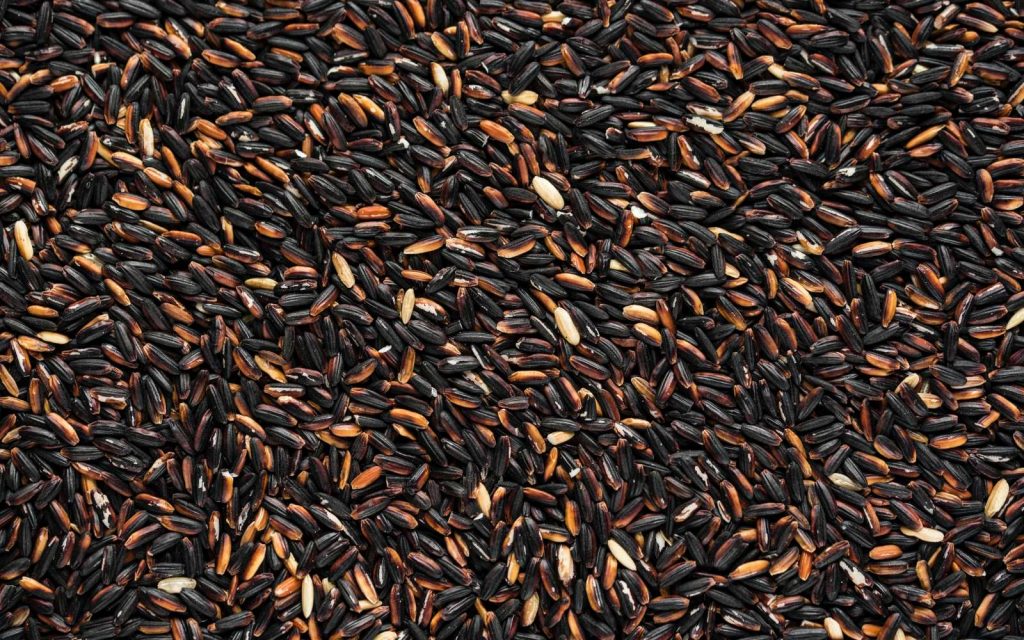
Venus riceis an easily recognizable variety of rice because it is characterized by its black grains. It is fine rice, which has countless beneficial properties for health and the figure, in the kitchen it is versatile and suitable for many recipes.
Venus rice characteristics and properties
Venus rice is a type of brown rice with a very dark purple color, also called black rice. It has a particularly intense and nutty taste, different from that of white or brown rice. Its aroma strongly recalls the smell of freshly baked bread. Like all types of rice, it does not contain gluten, so it can also be safely consumed by celiac or those suffering from intolerances.
Benefits of Venus rice
Venus rice is particularly rich in antioxidants, which are the molecules with which our body counteracts the activity of free radicals and prevents all those dysfunctions associated with cellular aging, such as diabetes and cardiovascular disease.
Among the many varieties of rice, Venus rice has a good concentration of mineral salts, moreover, thanks to the high intake of fibers it can slow down the intestinal absorption of fats and sugars, favoring the right level of cholesterol and blood sugar.
Venus rice brings insoluble fibers useful for promoting intestinal regularity.
Among the antioxidants present in this rice are anthocyanins (which give its grains the typical black color) and selenium, which helps fight oxidative stress associated not only with cellular aging phenomena but also with the onset of diseases, which endanger cardiovascular health.
Venus black rice contains an average amount of protein and a few fatty acids. Among the vitamins, those of group B are well represented, while among the mineral salts there are good quantities of potassium and phosphorus, in addition to iron, zinc, and selenium.
Nutritional value of Venus rice
Venus black rice contains an average amount of protein and a few fatty acids. Among the vitamins, those of group B are well represented, while among the mineral salts there are good quantities of potassium and phosphorus, in addition to iron, zinc, and selenium.
These are the nutritional values for 100 g of Venere rice:
| Carbohydrates | 62.8 g |
| Proteins | 7.7 g |
| Fat | 2 g |
| Sugars | 2.2 g |
| Fibers | 4.8 g |
| Iron | 1.2 mg |
| Calcium | 13 mg |
| Zinc | 1.4 mg |
| Potassium | 280 mg |
| Manganese | 3.5 mg |
| Selenium | 10 mg |
| No saturated fat | |
| No cholesterol |
Black rice contains fewer calories, fewer carbohydrates, and more proteins than other wholemeal or white rice and can be consumed, at least once a week, even up to 100 g.
Calories of Venus rice
100 g of Venus rice provides approximately 360 kcal, therefore it is ideal for those who want to lead a low-calorie and low-fat diet.
Venus rice and carbohydrates
Venus rice is characterized by the presence of essential fatty acids and slow-absorbing complex carbohydrates.
This particularity makes it a special ally of intestinal regularity, thanks to which it is possible to appreciate considerable advantages regarding the contrast to abdominal swelling, one of the most annoying consequences of constipation.
Venus rice and mineral salts
As for the mineral salts, Venus rice contains more zinc: with excellent anti-inflammatory properties; iron: to combat anemia and calcium: to keep bones and teeth healthy.
Is Venus rice suitable for the diet?
Introducing Venus rice in the diet helps in the loss of abdominal bloating.
It has high nourishing power and thanks to the good protein and fiber intake, it promotes a greater sense of satiety, reducing hunger.
Artemide rice
Long type B bean, Artemide is black and aromatic and requires long cooking times (about 40 minutes). It can be used for salads and paired with legumes.
Red rice
Of oriental origin, it is rich in fiber and low in fat. It can be combined with legumes and other cereals. Also for this type of rice, cooking that goes from 30 to 40 minutes is required.
Red rice is grown in the Po Valley and is increasingly found on our tables. It grows in clayey soils, often in the wild. Characteristic that gives its aromatic and unmistakable flavor .
Red rice, normally produced and sold as brown rice, retains a higher fiber content than refined rice . It is an important source of mineral salts such as phosphorus, calcium, manganese, selenium and iron . An important source of antioxidants, it is recommended to promote the proper functioning of the intestine and to keep blood cholesterol levels under control . It is also rich in anthocyanins and vitamins, especially E.
Fermented red rice is obtained from the fermentation of normal rice with a red yeast called monascus purpureus . During the fermentation process, rice acquires the monacolins: substances that give it both the bright color.
Brown and parboiled rice
Brown rice contains the bran and cooking time varies depending on the recipe and variety used. Parboiled rice has excellent cooking resistance and contains more vitamins; it is not suitable for risottos because the grains remain rather shelled.
Methods of cooking rice
How to cook rice ?
The methods are varied. Let’s start with how to make white rice, a very simple recipe: bring plenty of lightly salted water to a boil, then boil the rice and, when cooked, drain it and season it to taste, with a drizzle of oil and Parmesan cheese. or with a knob of butter.
The cooking of the risotto is less simple, which requires more complex operations such as toasting the rice with butter and onion, proceeding to careful and gradual cooking with the broth, finally making it stir (and for each of these actions there are real schools of thought). Pilaf cooking, on the other hand, requires the rice to be toasted in a pan, covered with broth, and then left to cook for about 20 minutes in the oven or on the stove over low heat, without ever stirring.
Cook the rice in the pressure cooker
The rice is a pressure cooker that cooks in half the time and can be prepared as a risotto, adding the broth and any seasoning to the pot, or steamed. The rice in a pan, for a tasty first course, is rice previously boiled and then “finished” in a pan with the desired sauce. The definition also applies to sautéed rice, that is, already cooked risotto that is “reborn” by passing it in a pan with butter.
How much rice per person: the doses
The “grandmother’s” measure reads two punches each plus one (therefore, for two people, 2 + 2 + 1 punch). To be more precise, the generally indicated amount is 70 g of uncooked rice per person.
Rice cooking times
On average, rice cooks in about 15 minutes.
The cooking time of the rice varies, of course, according to the procedure required by the recipe: rice boiled in plenty of water cooks slightly faster than that cooked in risotto, rice cooked in the oven takes a little longer, while the pot pressure reduces time. Furthermore, each type of grain has slightly different characteristics. In general, for standard cooking, this rule can be kept in mind:
Common original rice: 12-13 minutes.
- Semi-fine rice: 13-15 minutes.
- Fine rice: 14-16 minutes.
- Superfine rice: 16-18 minutes.
- Parboiled rice typically cooks faster (around 10 minutes), but it depends on the brand.
- Brown rice, black rice, and red rice, on the other hand, are cooked slower, approximately 30 minutes.
Italian excellence in rice
If you think you have already tried them all in your recipes, know that among the types of rice there are several notable Italian excellences to taste at least once. The Vialone Nano rice family also includes a variety protected by the IGP trademark, the precious Nano Vialone Veronese rice.
The Slow Food Grumolo delle Abbadesse Rice Presidium and Gazzani Rice come in the Vialone Nano and Carnaroli varieties. Similar to Vialone Nano is also Rosa Marchetti rice, another indigenous excellence.
The Maratelli rice is perfect for Vanessa, a typical traditional Piedmontese recipe. The IGP brand also enhances the Po Delta rice, which in addition to Arborio, Vialone Nano, and Carnaroli includes the lesser-known Volano variety. The Riso di Baraggia Biellese and Vercellese rice has been awarded the PDO (Arborio, Baldo, Carnaroli varieties and the less known Balilla, S. Andrea, Loto and Gladio varieties).