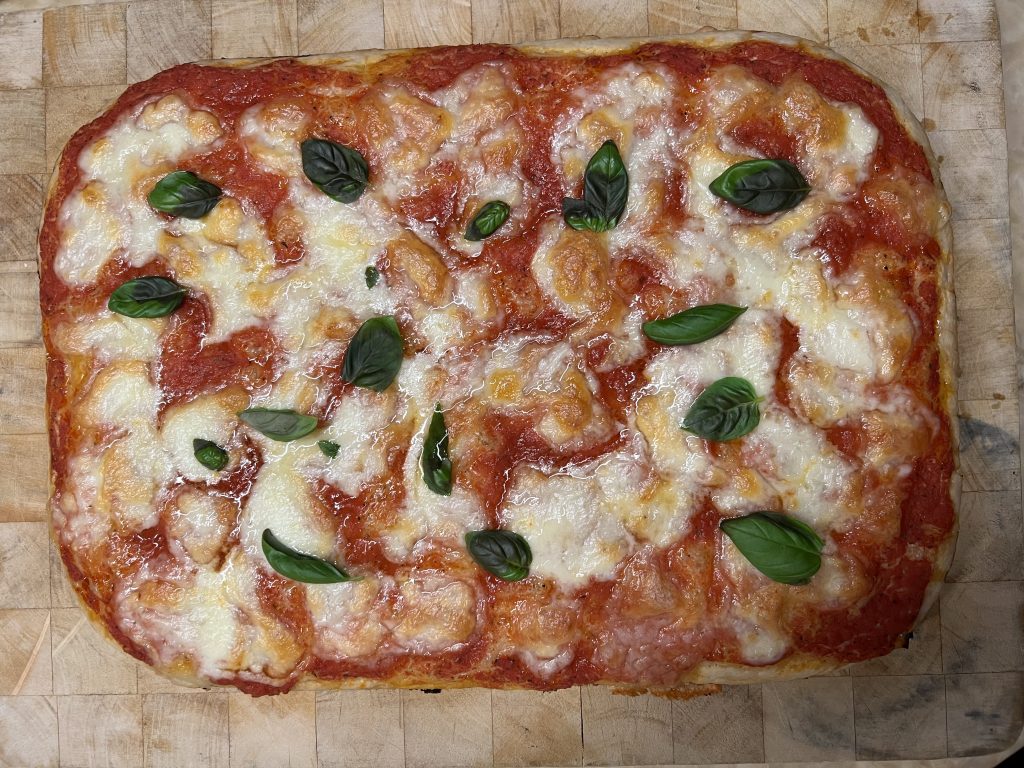
Pizza alla Romana – Roman Pizza
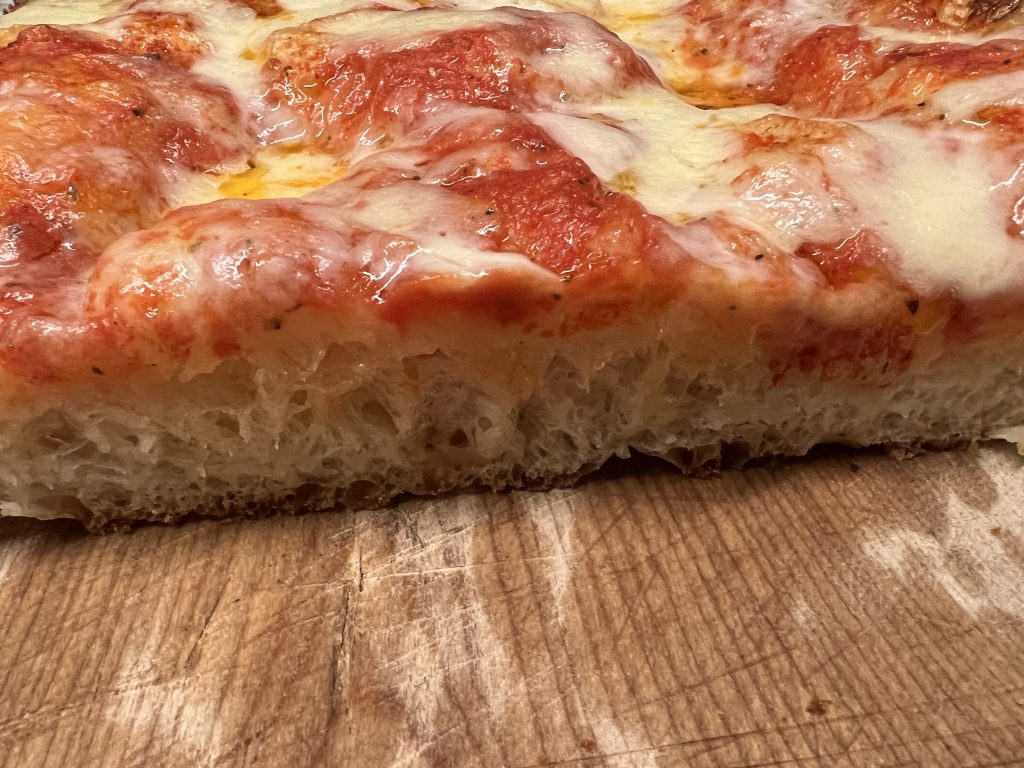
Pizza is certainly one of the foods that the whole world agrees with, but there are cases in which to speak generically of pizza is not always possible. An example comes from Rome, the capital of Italy which in terms of pizza has its own internal derby: Teglia vs Pala! Two typical “Roman” pizzas whose most immediate difference lies in the cooking method: directly in contact with the oven in the case of pizza in shovel, or dough in the pan for the homonymous type of pizza.
The pan pizza was born in the 80s and 90s, on the initiative of some Roman pizza makers, who starting from pre-existing bread dough and significantly increasing its hydration have developed a specific mixing and management procedure for this product. To do this you need first of all a really in-depth knowledge of the raw material (flour), because to make a pizza in a pan as per the specification you can use, in addition to 0 or 00 flour, also the re-milled durum wheat semolina and type 1, whose proportions must always be carefully calculated.


There are very precise rules and criteria that identify the real Roman-style pizza pan, from the size of the pan which must be rectangular in shape, to the thickness which must be between 15 and 30 millimeters.
The dough of the real Roman-style pizza pan must be homogeneous and be soft but with good friability.

INGREDIENTS:
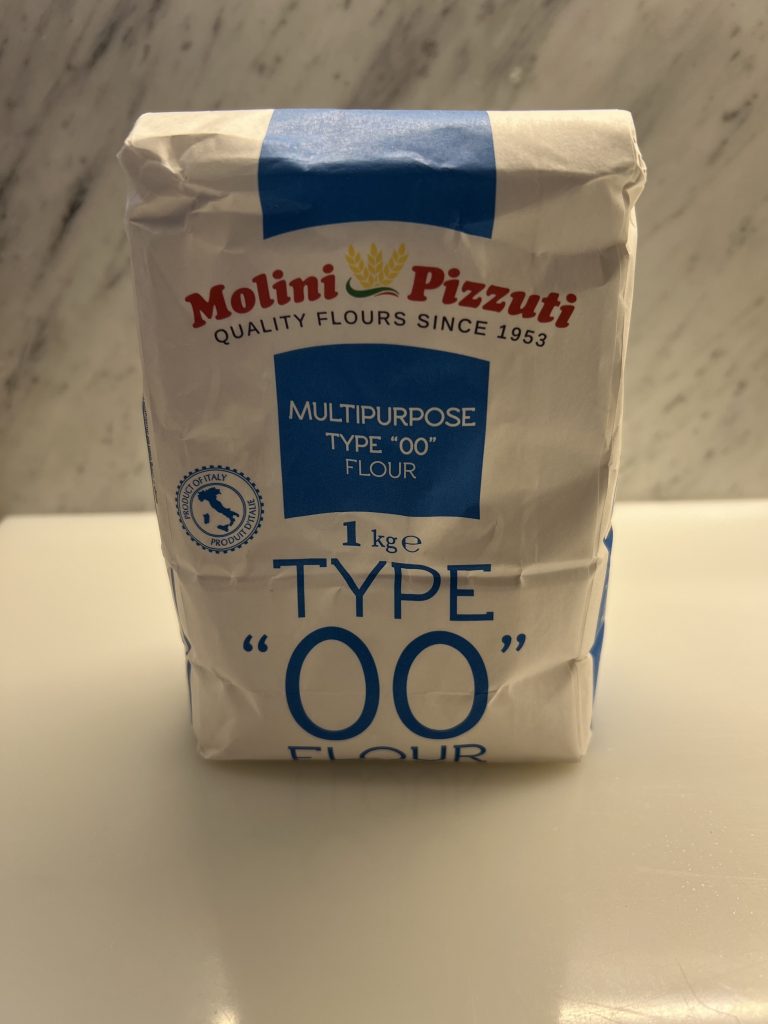
750 g. Flour or type ’00”.
2 g. Dry yeast.
450 ml. Water.
75 ml. Olive Oil.
15 g. Sea Salt.
2 Buffalo mozzarella.
Basil.
400 g. San marzato tomato.
oregano – salt – oil
PREPARATION:
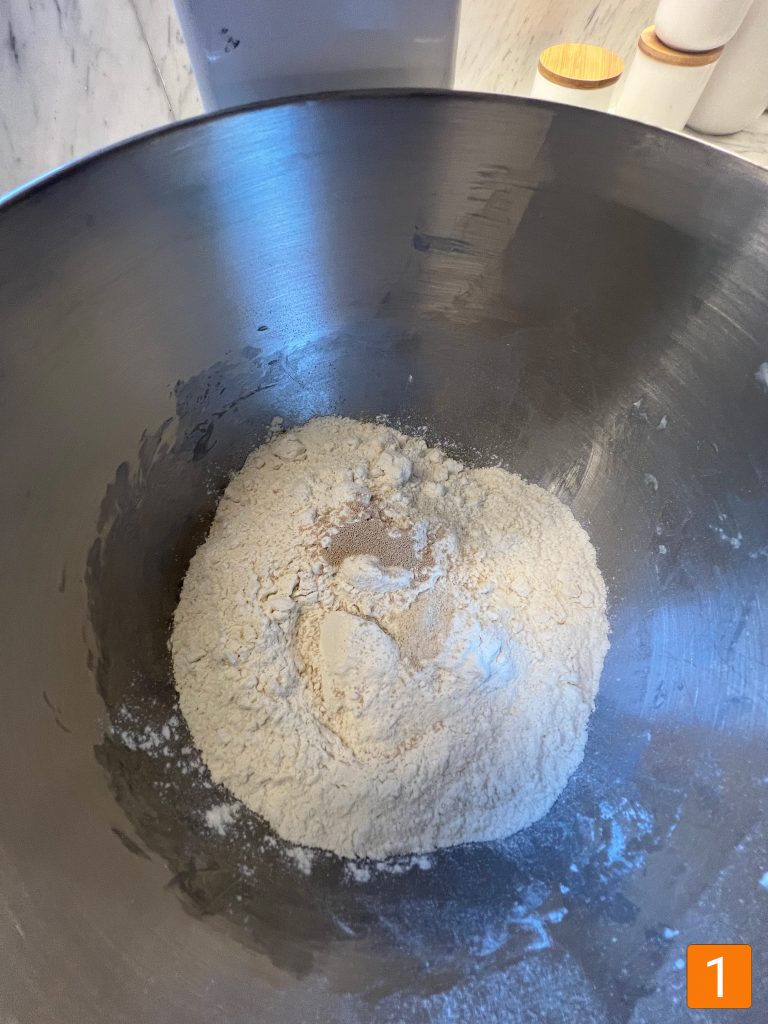
To prepare the pizza in a pan, pour the flour and baking powder into a bowl or mixer ①.
Gradually add the water and oil and knead for about two or three minutes ②. At this point we add the salt, and continue to knead until a homogeneous mixture is obtained. Knead the dough for a total of 5 minutes. Add a tablespoon of oil to prevent the dough from sticking ③.


The salt is added two minutes after the formation of the dough, in order to improve the extensibility of the gluten mesh and not to interfere with the activity of yeasts in the production of very water-rich doughs (hydration> 70%) where it improves the absorption of liquids by gluten.
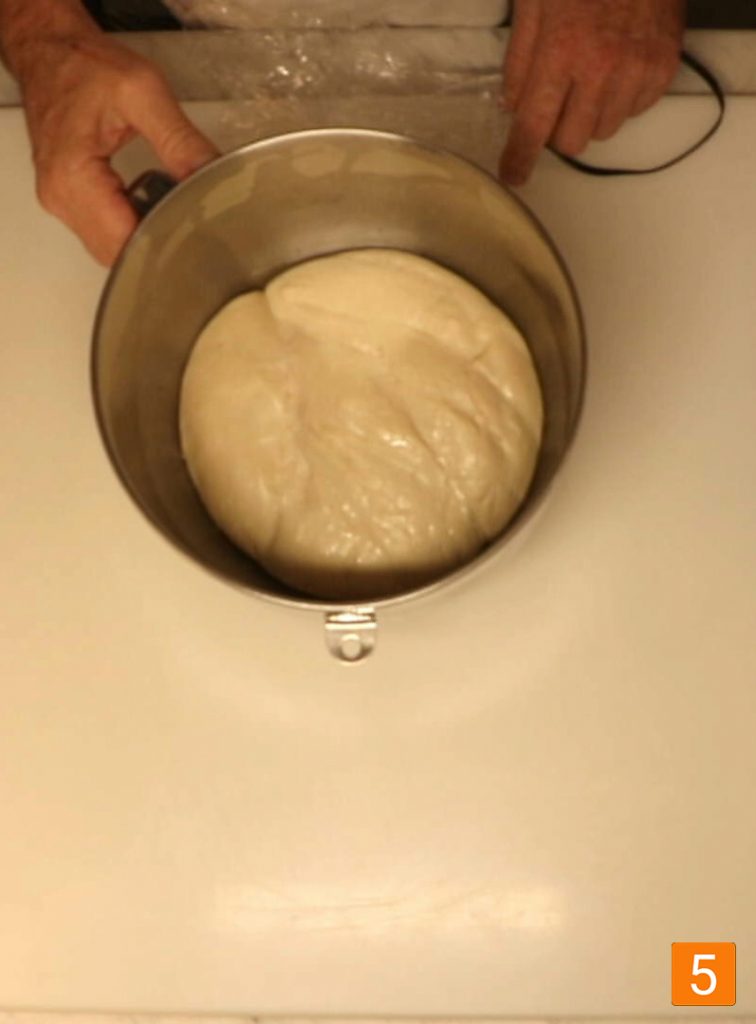
Cover the dough ④ and let it rest for 2-2.5 hours at room temperature until the dough has doubled its volume ⑤.

At this point we take an aluminum roaster pan, grease it abundantly with oil ⑥, and pour the pizza dough. Gently lift the dough and stretch it to cover the pan ⑦.


Cover it with another pan or cellophane bag, and let it rest for an hour ⑧.
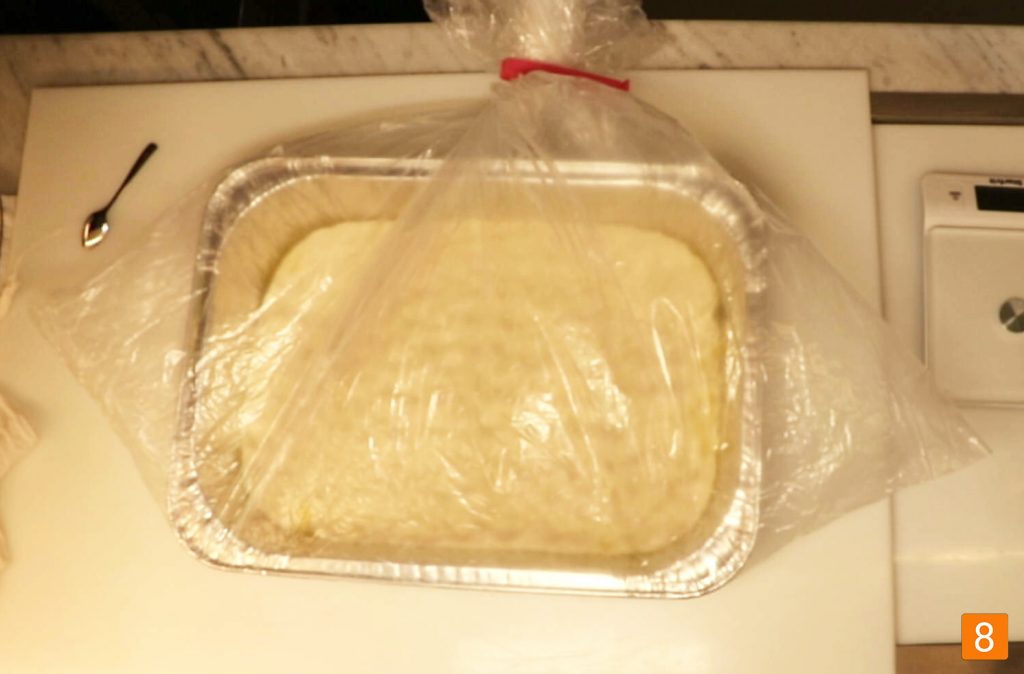
Once the hour has elapsed, we pick up the dough and gently stretch it again until it covers the entire surface of the pan. Cover it with another pan or cellophane bag, and let it rest for another 2 hours.
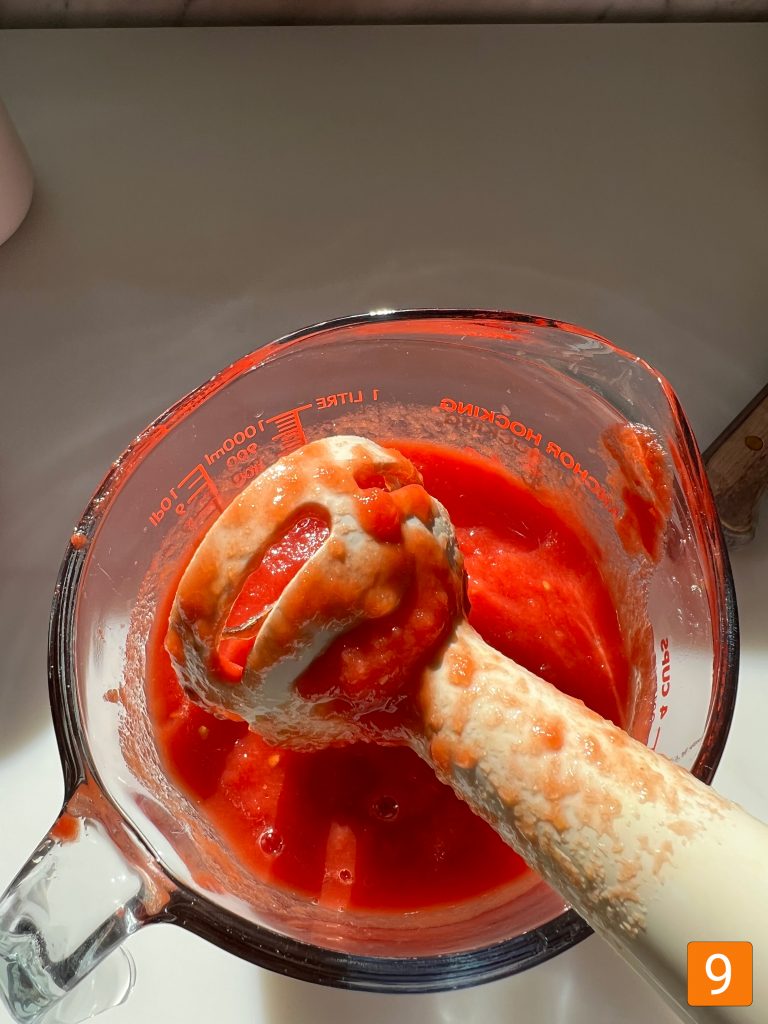
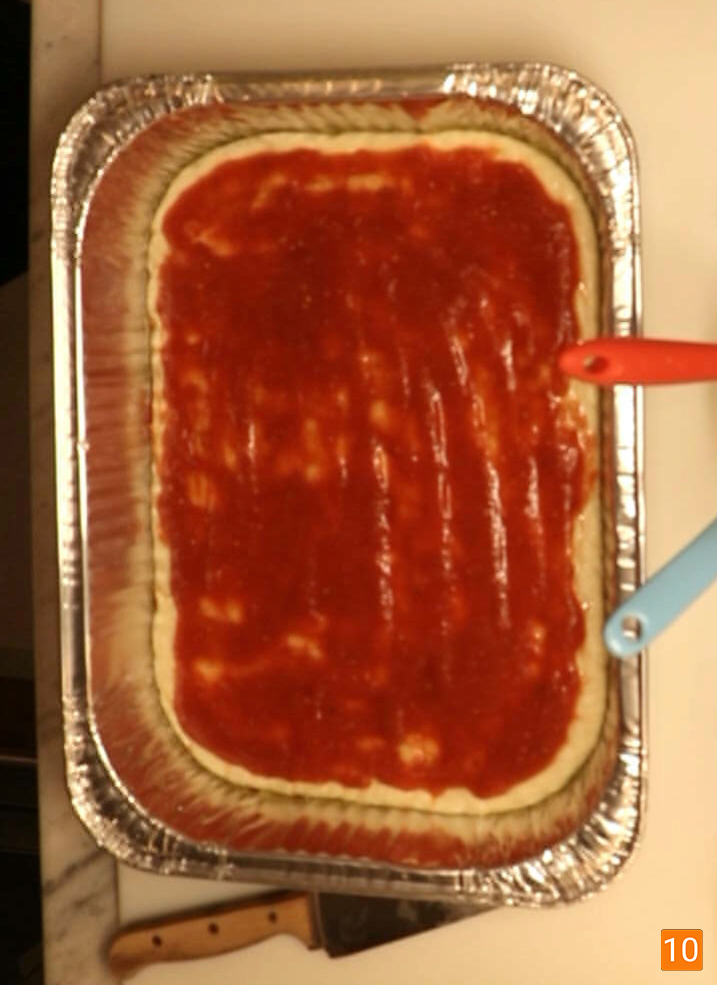
After two hours, we turn on the oven at 500 ° F, and I prepare the tomato sauce. With an immersion blender, I blend it until a homogeneous cream is obtained, add salt, oregano, oil and mix ⑨. I pour the tomato sauce over the dough and spread it, I make sure that it does not go to the edges of the pan ⑩.
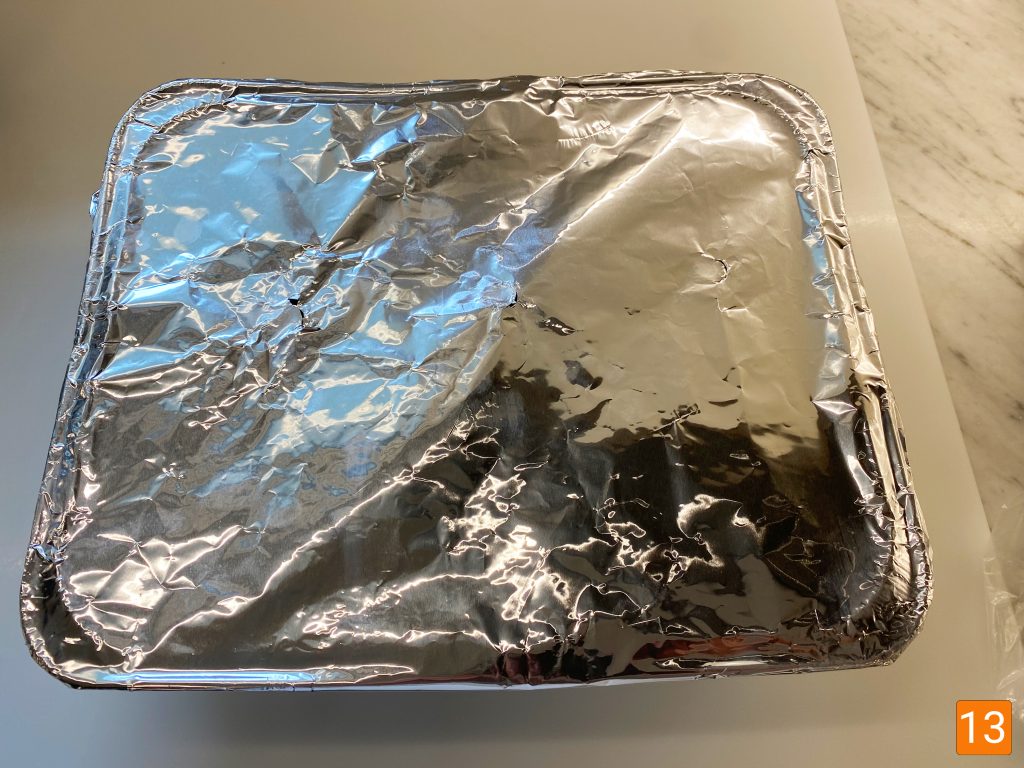
I cover the pan with aluminum foil ⑪ and bake for 20 – 25 minutes at 500°F.
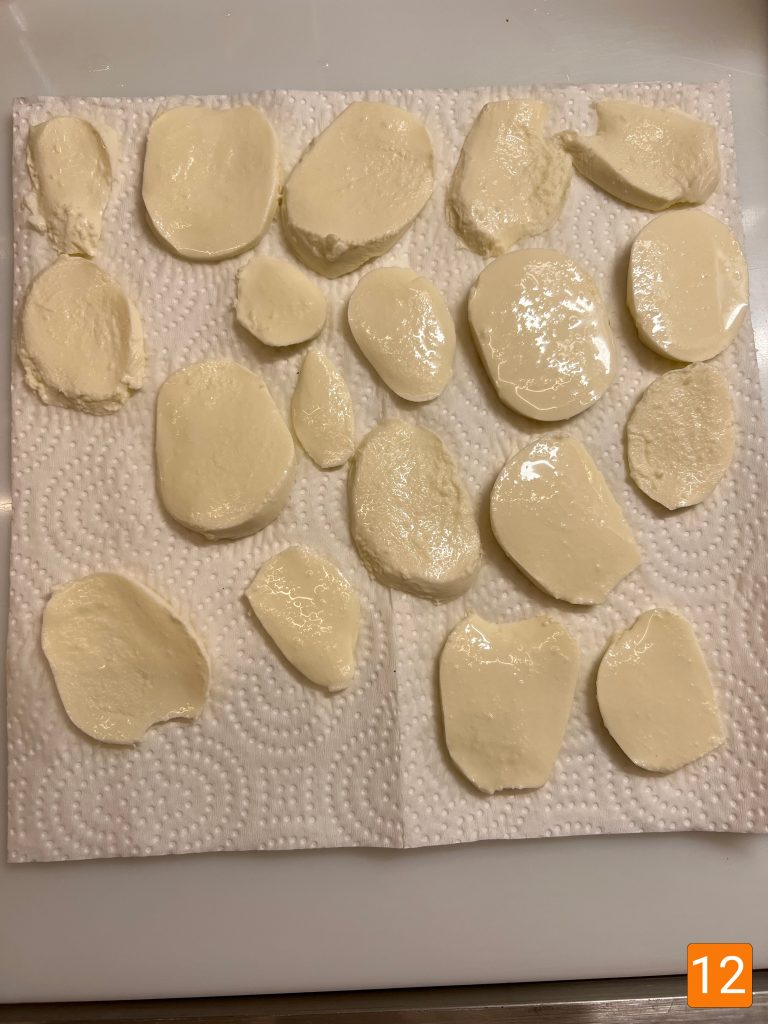
I cut the mozzarella into slices and slide it on a paper towel ⑫ for 25 minutes, to remove all the excess water, so as not to have a watery pizza.
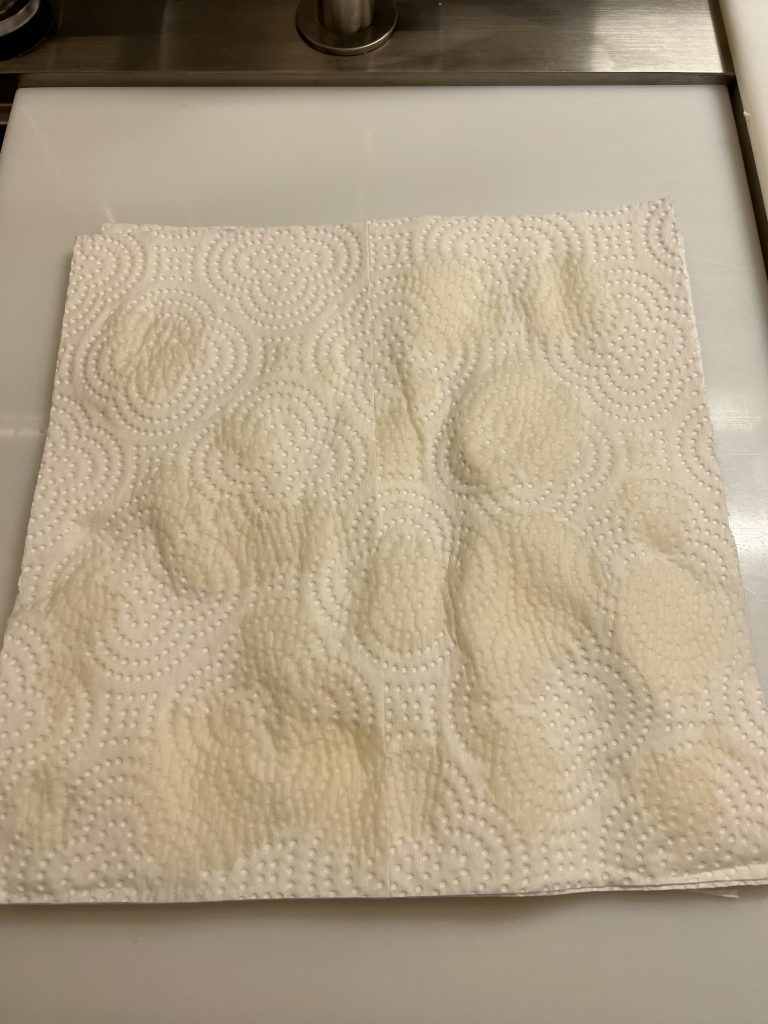
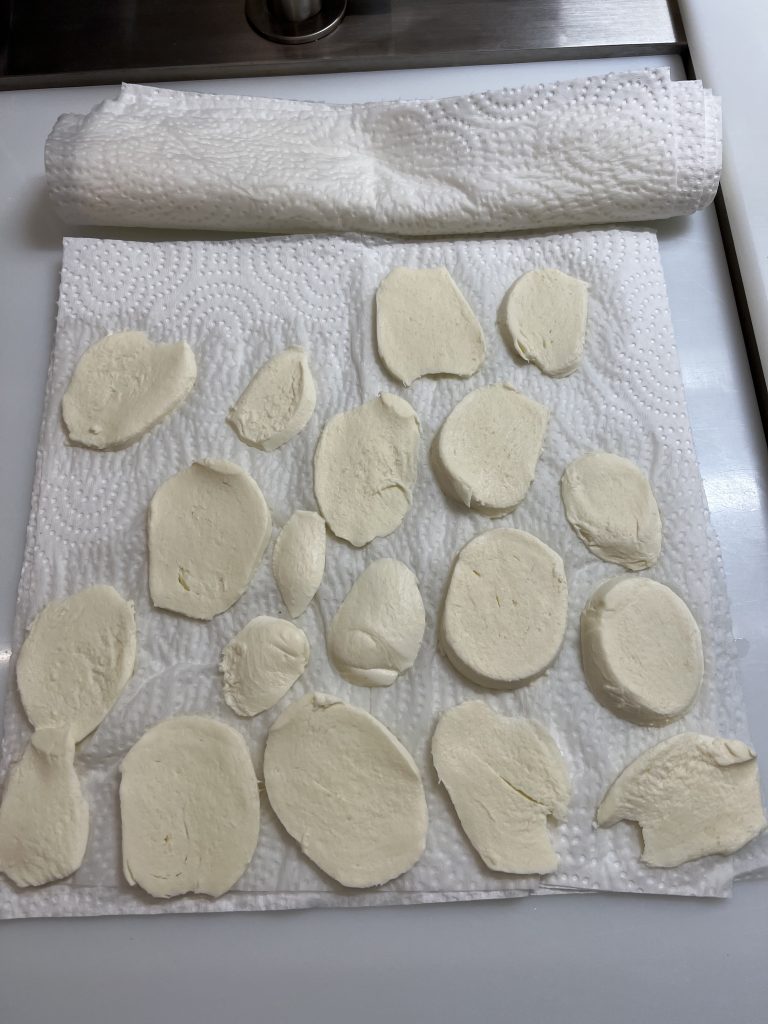
After 25 minutes, I remove the pan from the oven, remove the aluminum foil, add the mozzarella,a little bit of oil ⑬, and put it back in the oven for another 10 – 15 minutes without covering it.

After the time has elapsed, I remove the pan from the oven, slide the pizza onto a wooden cutboard, put the basil and bring to the table.